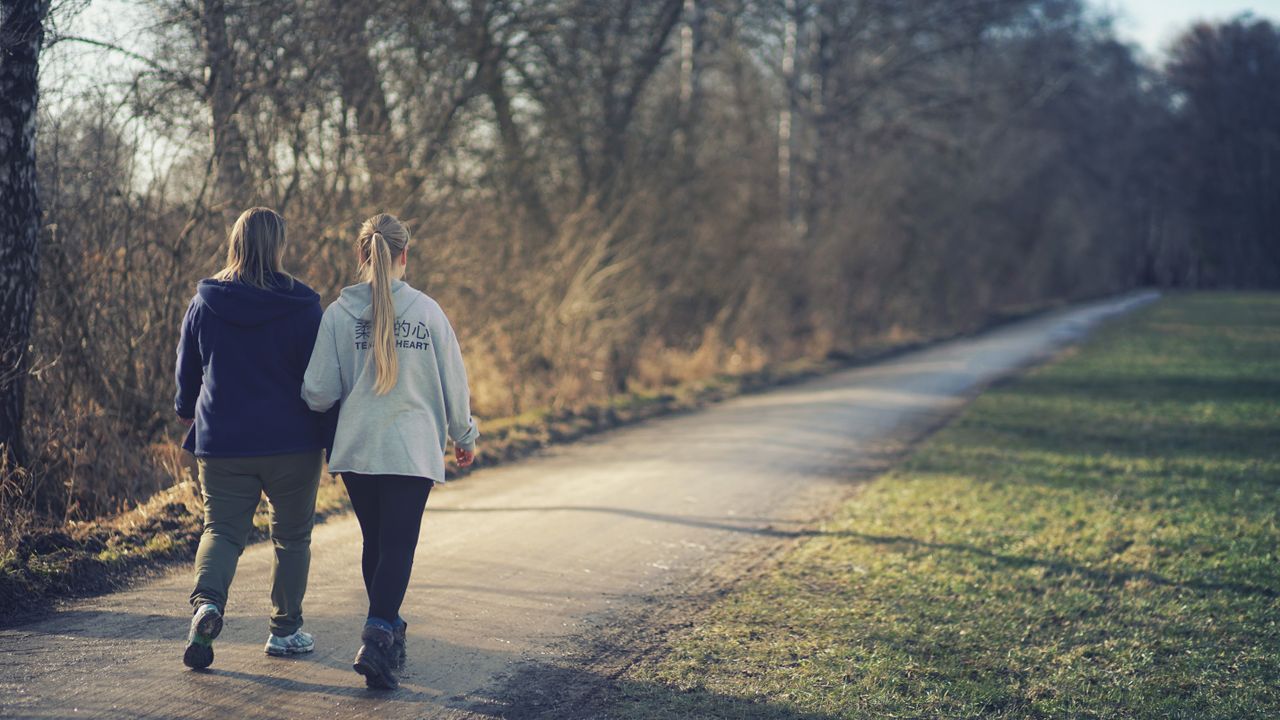
How a Simple Walk After Meals May Support Better Blood Sugar Control
Maintaining healthy blood sugar levels is an important part
of overall well-being. While diet and exercise are often highlighted as key
factors in blood sugar management, many people overlook one simple habit that
can make a difference—taking a walk after meals.
In recent years, health experts have increasingly emphasized
the benefits of light physical activity following meals. A short walk may help
the body process glucose more efficiently, support digestion, and contribute to
better metabolic health. The best part is that this habit requires no expensive
equipment, gym memberships, or complex fitness routines.
Whether you are looking to support long-term health, improve
energy levels, or develop healthier daily habits, understanding the benefits of
post-meal walking can help you make more informed lifestyle choices.
Why Blood Sugar Control Matters
Blood sugar, also known as blood glucose, is the body's
primary source of energy. After eating, carbohydrates are broken down into
glucose, which enters the bloodstream.
The hormone insulin helps move glucose from the bloodstream
into cells where it can be used for energy. However, when blood sugar levels
rise too quickly or remain elevated for long periods, it can place stress on
the body's metabolic systems.
Maintaining stable blood sugar levels may support:
- Consistent
energy levels
- Better
concentration and focus
- Improved
metabolic health
- Reduced
risk of insulin resistance
- Overall
physical well-being
Healthy daily habits can play an important role in
supporting these processes.
How Walking After Meals Affects Blood Sugar
Encourages Muscles to Use Glucose
After eating, blood sugar levels naturally rise. Physical
activity encourages muscles to use glucose as fuel.
Even a gentle walk can help the body utilize glucose more
efficiently, potentially reducing sharp spikes in blood sugar levels.
Supports Better Insulin Function
Regular movement may help the body respond more effectively
to insulin.
Improved insulin sensitivity allows cells to absorb glucose
more efficiently, supporting healthy blood sugar management over time.
Helps Reduce Post-Meal Blood Sugar Spikes
Many people experience temporary increases in blood sugar
after meals.
A short walk following a meal may help the body regulate
these fluctuations more effectively by encouraging glucose uptake by working
muscles.
Additional Health Benefits of Walking After Meals
The benefits of post-meal walking extend beyond blood sugar
management.
Supports Healthy Digestion
Walking may stimulate digestive processes and help food move
more smoothly through the digestive tract.
Many individuals find that a gentle walk after eating helps
reduce feelings of heaviness and discomfort.
Promotes Heart Health
Regular walking is associated with improved cardiovascular
health.
Consistent physical activity may help support healthy
circulation, blood pressure management, and overall heart function.
Helps Maintain a Healthy Weight
Walking contributes to daily energy expenditure.
Combined with balanced nutrition, regular walks may support
healthy weight management goals.
Improves Mood and Mental Well-Being
Physical activity encourages the release of chemicals that
promote positive mood and emotional well-being.
A brief walk outdoors may also help reduce stress and
improve mental clarity.
Increases Daily Physical Activity
Many adults struggle to find time for exercise.
Post-meal walks provide an easy opportunity to add movement
throughout the day without making major changes to daily routines.
How Long Should You Walk After Meals?
One of the most common questions is how much walking is
necessary.
Short Walks Can Still Be Beneficial
Even 10 to 15 minutes of light walking after a meal may
provide benefits.
The goal is not intense exercise but gentle movement that
encourages the body to remain active after eating.
Consistency Matters More Than Intensity
Regular daily walks often provide greater long-term benefits
than occasional intense exercise sessions.
Making walking a routine part of your day may help support
healthier habits over time.
When Is the Best Time to Walk After Eating?
Many experts suggest walking shortly after finishing a meal.
Walking Within 15 to 30 Minutes
Light activity during this period may help the body manage
post-meal glucose levels more effectively.
Avoid Excessively Intense Exercise Immediately After
Eating
High-intensity workouts immediately following a large meal
may cause discomfort for some individuals.
A moderate pace is generally more comfortable and
sustainable.
Practical Tips for Building a Post-Meal Walking Habit
Start Small
Begin with a five- or ten-minute walk after one meal each
day.
Gradually increase duration as the habit becomes more
comfortable.
Make It Part of Your Routine
Consistency is easier when walking becomes linked to an
existing daily activity, such as lunch or dinner.
Walk With Family or Friends
Social walks can make the habit more enjoyable and easier to
maintain.
Choose Comfortable Routes
Parks, sidewalks, and quiet neighborhoods can provide
pleasant environments for daily walks.
Track Your Progress
Using a fitness tracker or smartphone app may help motivate
consistency and encourage long-term commitment.
Who May Benefit From Walking After Meals?
Post-meal walking can be beneficial for many individuals,
including:
- Adults
seeking healthier lifestyle habits
- People
looking to support healthy blood sugar levels
- Individuals
aiming to increase physical activity
- Those
interested in weight management
- People
seeking simple ways to improve overall wellness
However, individuals with medical conditions should consult
healthcare professionals before making significant changes to their exercise
routines.
Common Mistakes to Avoid
Walking Too Fast Too Soon
A relaxed pace is often sufficient after meals.
Remaining Completely Sedentary
Sitting or lying down immediately after eating may not
provide the same benefits as light movement.
Expecting Immediate Results
Healthy habits typically produce benefits over time through
consistency.
Ignoring Overall Lifestyle Factors
Walking works best when combined with balanced nutrition,
adequate sleep, stress management, and regular physical activity.
Key Takeaways
- Walking
after meals may help support healthy blood sugar control.
- Light
movement encourages muscles to use glucose for energy.
- Post-meal
walks may reduce blood sugar spikes and support insulin function.
- Additional
benefits include improved digestion, heart health, mood, and weight
management.
- Even
short walks of 10–15 minutes may contribute to better overall health when
practiced consistently.
Frequently Asked Questions
1. How soon should I walk after eating?
Many experts recommend walking within 15 to 30 minutes after
finishing a meal.
2. How long should a post-meal walk last?
A gentle walk lasting 10 to 20 minutes may be sufficient for
many individuals.
3. Can walking after meals help with digestion?
Yes, light movement may support healthy digestion and reduce
feelings of fullness or discomfort.
4. Is walking after every meal necessary?
While not essential, incorporating walks after one or more
meals each day may provide health benefits.
5. Can post-meal walking replace regular exercise?
No. Walking after meals can complement a healthy lifestyle
but should be part of a broader approach that includes regular physical
activity.
Conclusion
Supporting healthy blood sugar levels does not always
require complicated fitness programs or major lifestyle changes. Sometimes,
simple habits can make a meaningful difference. Walking after meals is one such
habit that may help the body utilize glucose more effectively while providing
additional benefits for digestion, heart health, weight management, and overall
well-being. By incorporating a short walk into your daily routine, you may be
taking a positive step toward better metabolic health and a more active
lifestyle. Consistency, rather than intensity, is often the key to long-term
success.