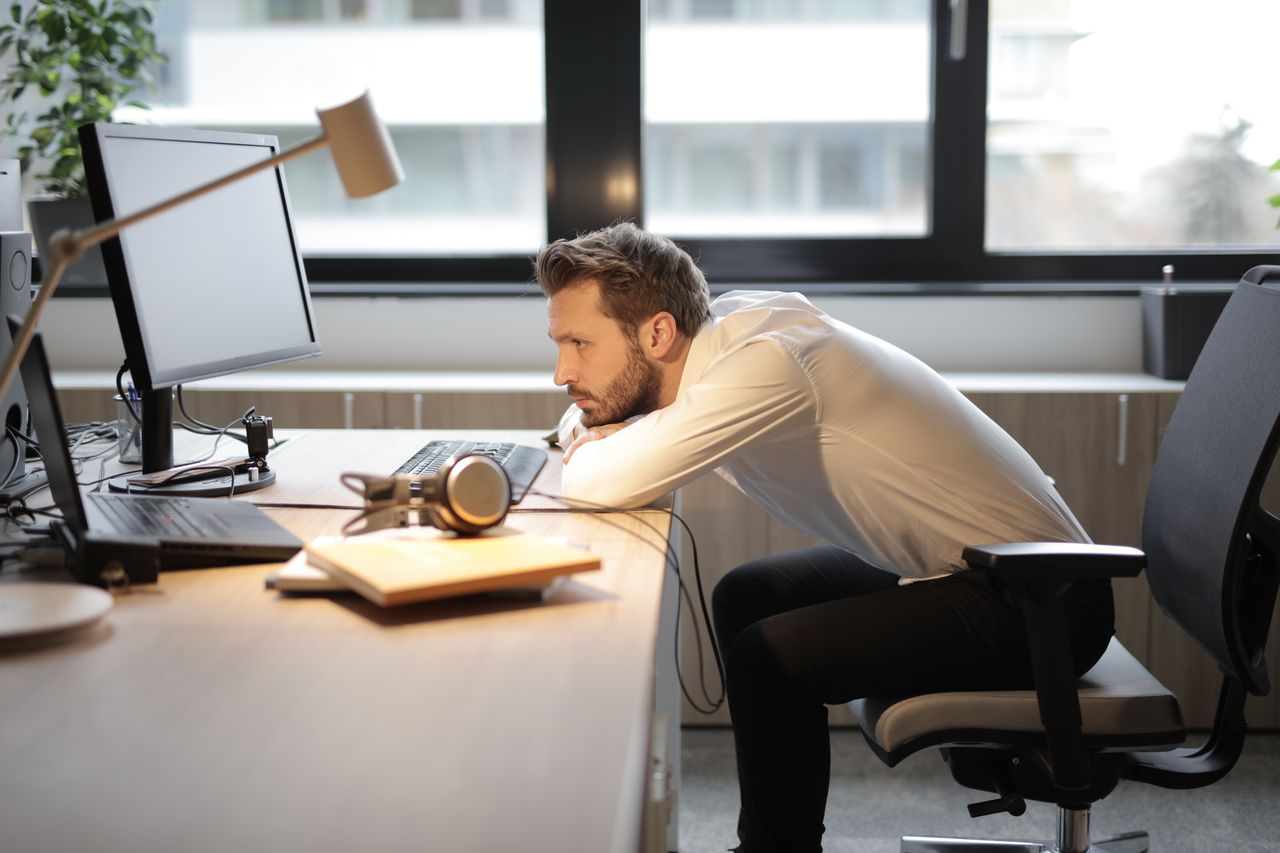
The Silent Health Risks of Sitting Too Long Every Day: Why Movement Matters for Long-Term Health
Modern life has made sitting an unavoidable part of daily
routines. Whether you're working at a desk, attending virtual meetings, driving
to work, studying, or relaxing with your favorite television show, chances are
you're spending more time sitting than moving. While sitting may seem harmless,
health experts increasingly warn that prolonged sitting can have serious
consequences for both physical and mental well-being.
Many people assume that going to the gym for an hour is
enough to offset a day spent sitting. However, research suggests that long
periods of inactivity may still negatively affect health, even among
individuals who exercise regularly. This has led experts to describe excessive
sitting as one of the most overlooked lifestyle risks of modern times.
Understanding how prolonged sitting affects the body can
help individuals make healthier choices and reduce the risk of long-term health
complications.
Why Sitting for Long Periods Can Be Harmful
The human body is designed to move. Muscles, joints, the
cardiovascular system, and metabolism all function best when regular movement
occurs throughout the day.
When you sit for extended periods:
- Muscle
activity decreases
- Blood
circulation slows
- Calorie
burning drops
- Metabolic
processes become less efficient
- Posture
often deteriorates
Over time, these changes can affect multiple systems within
the body and increase the risk of various health conditions.
How Prolonged Sitting Affects Physical Health
Reduced Blood Circulation
Movement plays an important role in maintaining healthy
blood flow. Sitting for hours at a time can slow circulation, particularly in
the lower body.
Poor circulation may contribute to:
- Swollen
feet and ankles
- Leg
discomfort
- Varicose
veins
- Increased
risk of blood clots
Regular movement encourages healthy blood flow and supports
cardiovascular function.
Muscle Weakness and Stiffness
Prolonged sitting can weaken muscles that support posture
and movement. This is especially common in the hips, legs, and core muscles.
Common complaints include:
- Tight
hip flexors
- Weak
glute muscles
- Lower
back discomfort
- Neck
stiffness
- Shoulder
tension
Over time, muscle imbalances may affect mobility and
increase the likelihood of injury.
Poor Posture and Chronic Pain
Many people sit with rounded shoulders, a forward head
position, or poor spinal alignment while working or using electronic devices.
This can contribute to:
- Chronic
neck pain
- Back
pain
- Shoulder
strain
- Reduced
flexibility
- Joint
discomfort
Proper workstation ergonomics and regular posture
adjustments can help reduce these risks.
Can Sitting Too Much Lead to Weight Gain?
Lower Calorie Burn Throughout the Day
Physical movement helps the body burn calories efficiently.
Sitting significantly reduces energy expenditure compared to standing or
moving.
When combined with unhealthy eating habits, prolonged
sitting may contribute to:
- Weight
gain
- Increased
body fat
- Reduced
metabolic efficiency
Small movement breaks throughout the day can help increase
calorie expenditure and support weight management.
How a Sedentary Lifestyle Slows Metabolism
A sedentary lifestyle can affect how the body processes fats
and sugars. Reduced muscle activity may slow important metabolic functions that
help maintain overall health.
As metabolism becomes less efficient, the risk of developing
obesity and metabolic disorders may increase.
The Hidden Impact of Sitting on Heart Health
Increased Cardiovascular Risk
Cardiovascular health depends heavily on regular physical
activity. Extended periods of sitting have been linked to several factors that
may negatively affect heart health.
Potential concerns include:
- Elevated
blood pressure
- Poor
circulation
- Increased
cholesterol levels
- Reduced
cardiovascular fitness
Regular movement helps support healthy blood flow and
reduces strain on the heart.
Reduced Physical Fitness and Endurance
When physical activity decreases, overall fitness levels
often decline. Routine activities such as climbing stairs, walking long
distances, or carrying groceries may become more challenging.
Maintaining daily movement helps preserve endurance and
physical function.
How Prolonged Sitting Affects Blood Sugar Levels
The Link Between Physical Inactivity and Insulin
Resistance
Muscles play a key role in using glucose for energy. During
long periods of inactivity, glucose uptake by muscles decreases.
This may lead to:
- Higher
blood sugar levels
- Reduced
insulin sensitivity
- Increased
risk of metabolic conditions
Incorporating short walks after meals can help support
healthy blood sugar regulation.
Mental Health Effects of Sitting All Day
Increased Stress and Mental Fatigue
Physical activity stimulates the release of chemicals that
support mood and emotional well-being.
A sedentary routine may contribute to:
- Increased
stress
- Mental
fatigue
- Reduced
motivation
- Feelings
of sluggishness
Even brief movement sessions can help improve mood and
mental clarity.
Reduced Productivity and Focus
Long hours of sitting can affect concentration and cognitive
performance.
Research suggests that regular movement breaks may:
- Improve
focus
- Boost
creativity
- Enhance
memory
- Increase
productivity
For professionals and students alike, movement can be a
valuable tool for maintaining mental performance.
Warning Signs You May Be Sitting Too Much
Your body may provide warning signs when sitting becomes
excessive.
Common indicators include:
- Frequent
back pain
- Neck
and shoulder stiffness
- Tight
hips
- Reduced
energy levels
- Weight
gain
- Poor
posture
- Difficulty
concentrating
- Leg
discomfort
Recognizing these signs early can encourage healthier habits
before long-term issues develop.
Practical Ways to Reduce Sitting Time Every Day
Take Regular Movement Breaks
Experts recommend standing or moving every 30 to 60 minutes.
Simple options include:
- Walking
around the office
- Stretching
- Climbing
stairs
- Performing
light exercises
Use a Standing Desk
Alternating between sitting and standing can help reduce
prolonged inactivity and improve posture.
Walk During Phone Calls
Taking calls while walking is an easy way to add movement
without disrupting work responsibilities.
Incorporate Daily Exercise
Regular exercise remains one of the most effective ways to
support overall health.
Activities may include:
- Walking
- Cycling
- Swimming
- Yoga
- Strength
training
Choose Active Leisure Activities
Instead of spending all free time sitting, consider:
- Outdoor
walks
- Gardening
- Recreational
sports
- Household
activities
- Playing
with children or pets
These activities can significantly increase daily movement.
Benefits of Moving More Throughout the Day
Increasing daily activity offers numerous benefits:
- Better
circulation
- Improved
posture
- Enhanced
energy levels
- Stronger
muscles and joints
- Improved
mood
- Better
metabolic health
- Reduced
risk of chronic disease
Even small changes can create meaningful improvements over
time.
Key Takeaways
- Prolonged
sitting is associated with multiple health risks.
- Extended
inactivity can affect circulation, metabolism, posture, and heart health.
- Sitting
too much may contribute to weight gain and reduced physical fitness.
- Mental
well-being and productivity may also suffer from excessive sitting.
- Regular
movement breaks and daily exercise can help reduce many of these risks.
Frequently Asked Questions (FAQ)
1. How many hours of sitting per day is considered
unhealthy?
While there is no exact limit for everyone, spending most of
the day sitting without regular movement may increase health risks.
2. Can exercise completely offset the effects of sitting
all day?
Exercise helps significantly, but experts recommend
combining regular workouts with reduced sitting time throughout the day.
3. Why does prolonged sitting cause back and neck pain?
Poor posture and muscle inactivity can place extra strain on
the spine, neck, and surrounding muscles.
4. Is standing better than sitting?
Alternating between sitting and standing can support better
circulation, posture, and overall movement.
5. What are simple ways to move more during work hours?
Taking movement breaks, walking during calls, using stairs,
and standing periodically can help reduce sedentary time.
Conclusion
The health risks of sitting too long often develop quietly,
making them easy to overlook. Yet prolonged inactivity can affect nearly every
aspect of health, from circulation and metabolism to posture, heart function,
and mental well-being. As modern lifestyles become increasingly sedentary,
making movement a daily priority is more important than ever.
The good news is that small adjustments can make a
significant difference. Standing more often, taking regular walking breaks,
exercising consistently, and choosing active habits throughout the day can help
counteract the effects of prolonged sitting. By embracing a more active
lifestyle, individuals can support long-term health, improve energy levels, and
enhance overall quality of life.