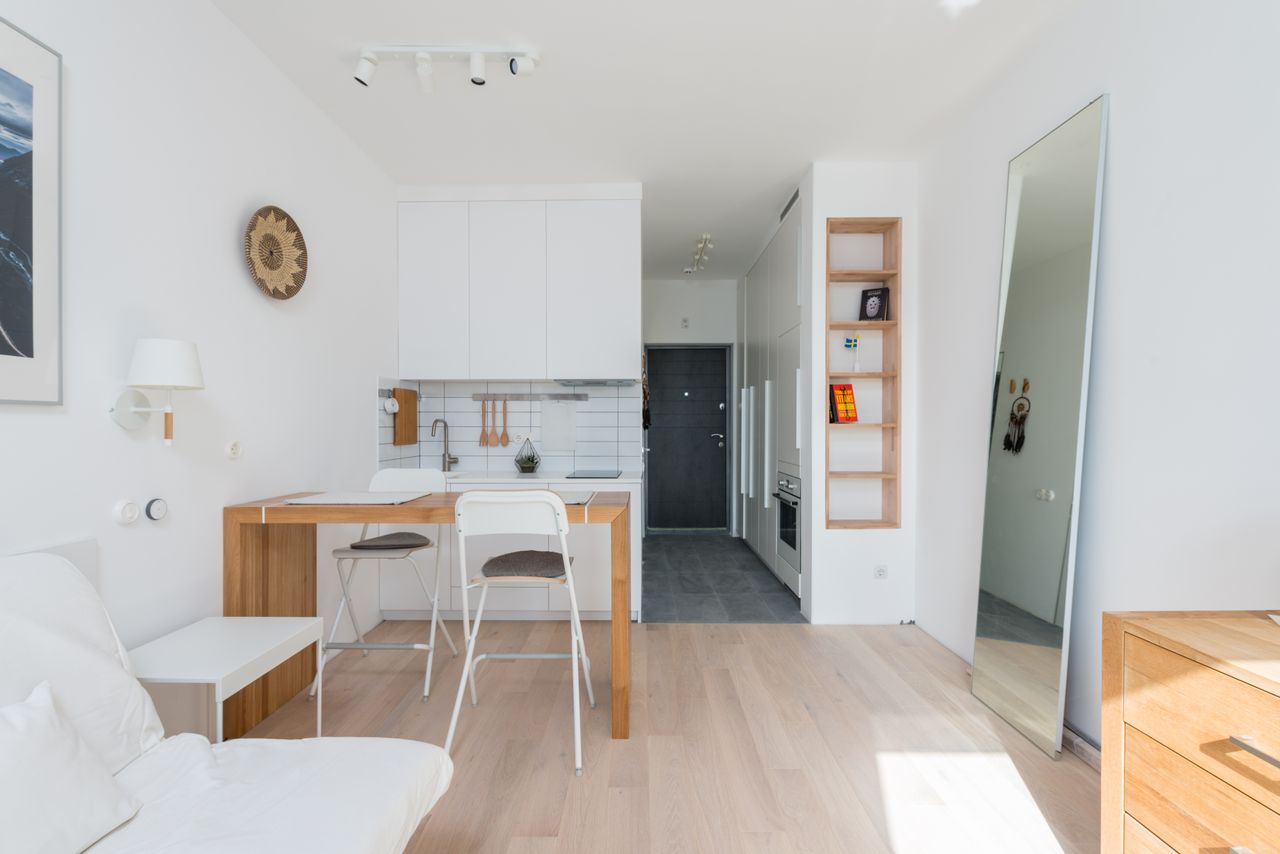
Minimalist Living Continues to Attract Attention: How Simplicity Is Shaping Modern Wellness and Lifestyle Choices
Minimalist living continues to attract attention as more
individuals seek simpler, more intentional lifestyles in an increasingly
fast-paced and consumer-driven world. Rather than focusing on acquiring more
possessions, many people are embracing minimalism as a way to reduce clutter,
simplify daily routines, and prioritize what truly matters.
Health and lifestyle experts note that minimalist living is
no longer viewed solely as an interior design trend. Instead, it has evolved
into a broader lifestyle philosophy that encourages mindful decision-making,
reduced distractions, and greater focus on personal well-being.
As awareness of mental wellness and life balance grows,
minimalist living is becoming an appealing approach for individuals looking to
create more meaningful and less stressful lives.
Understanding Minimalist Living
Minimalist living is a lifestyle approach centered on
intentionally reducing unnecessary possessions, commitments, and distractions.
The goal is not simply to own fewer items but to create
space for the things that provide genuine value and purpose.
Minimalism can involve:
- Decluttering
living spaces
- Simplifying
daily routines
- Making
intentional purchases
- Reducing
digital distractions
- Prioritizing
meaningful experiences
- Focusing
on personal values
Experts emphasize that minimalism looks different for
everyone and can be adapted to individual needs and lifestyles.
Why Minimalist Living Is Becoming More Popular
Growing Awareness of Mental Well-Being
Many individuals are becoming more conscious of the
connection between their environment and emotional health.
Cluttered spaces can sometimes contribute to feelings of
overwhelm, making simplicity increasingly appealing.
Desire for Less Stress
Modern lifestyles often involve busy schedules, constant
notifications, and numerous responsibilities.
Minimalism offers a framework for reducing unnecessary
complexity and creating a calmer daily experience.
Shift Toward Intentional Living
People are increasingly seeking purpose-driven lifestyles
that align with their values rather than external expectations.
Minimalism encourages thoughtful decision-making about how
time, energy, and resources are used.
Focus on Quality Over Quantity
Consumers are becoming more interested in investing in
meaningful experiences and high-quality essentials rather than accumulating
possessions.
Key Benefits of Minimalist Living
May Help Reduce Stress
One of the most frequently cited benefits of minimalism is
reduced mental clutter.
Simplified environments can help individuals feel:
- More
organized
- Less
overwhelmed
- More
focused
- Better
able to manage daily responsibilities
Improves Focus and Productivity
Fewer distractions often allow individuals to concentrate
more effectively on important tasks and goals.
Many professionals report that organized environments
contribute to greater productivity.
Encourages Better Time Management
Minimalist lifestyles often involve evaluating commitments
and eliminating unnecessary obligations.
This can create more time for:
- Family
- Hobbies
- Exercise
- Personal
development
- Rest
and relaxation
Supports Financial Awareness
Intentional spending habits are often associated with
minimalist living.
Many individuals become more mindful of purchasing decisions
and prioritize value-driven consumption.
Enhances Overall Life Satisfaction
By focusing on meaningful experiences and personal
priorities, individuals may experience a greater sense of fulfillment and
contentment.
The Connection Between Minimalism and Mental Wellness
Reduced Decision Fatigue
Modern life requires countless decisions each day.
Simplifying possessions, routines, and responsibilities may
help reduce mental strain and improve clarity.
Greater Sense of Control
Organized living spaces and intentional habits can
contribute to feelings of stability and control.
Improved Emotional Well-Being
Many individuals report that simplifying their environments
helps create a calmer and more peaceful atmosphere.
More Space for Meaningful Activities
Reducing unnecessary distractions can create opportunities
for activities that support well-being and personal growth.
Minimalism Beyond Physical Clutter
Digital Minimalism
Many people are extending minimalist principles to
technology use.
Examples include:
- Reducing
social media consumption
- Managing
notifications
- Organizing
digital files
- Limiting
unnecessary screen time
Simplified Schedules
Minimalism can also apply to daily commitments.
Individuals may choose to focus on fewer activities that
align closely with their priorities and values.
Intentional Relationships
Some people use minimalist principles to evaluate how they
spend their time and energy within personal and professional relationships.
Expert Opinions and Insights
Lifestyle experts emphasize that minimalism is not about
deprivation or rigid rules.
Instead, it involves making conscious choices that support
personal well-being and life goals.
Experts often recommend starting gradually by:
- Decluttering
one area at a time
- Evaluating
purchasing habits
- Simplifying
routines
- Identifying
personal priorities
Many wellness professionals believe that the greatest
benefits of minimalism come from increased intentionality rather than simply
owning fewer possessions.
Common Challenges and Misconceptions
Belief That Minimalism Requires Extreme Changes
Some individuals assume that minimalism involves getting rid
of most possessions.
Experts clarify that the goal is to keep items that serve a
purpose or bring value.
Emotional Attachment to Possessions
Decluttering can be challenging when items carry sentimental
significance.
Gradual decision-making often makes the process easier.
Social and Cultural Expectations
Consumer culture sometimes encourages constant acquisition
and comparison.
Minimalism may require individuals to rethink traditional
ideas about success and happiness.
Maintaining Long-Term Habits
Like any lifestyle change, maintaining minimalist habits
requires ongoing awareness and consistency.
Practical Tips for Adopting a Minimalist Lifestyle
Start Small
Focus on one room, drawer, or category of possessions at a
time.
Identify Priorities
Determine which items, activities, and commitments add
genuine value to daily life.
Practice Mindful Purchasing
Consider whether new purchases align with personal needs and
goals.
Reduce Digital Clutter
Organize digital devices and limit unnecessary
notifications.
Create Simple Daily Routines
Streamlined routines can reduce stress and improve
efficiency.
Focus on Experiences
Many minimalists prioritize meaningful experiences over
material accumulation.
Future Trends in Minimalist Living
Growth of Intentional Lifestyle Movements
Minimalism is increasingly being incorporated into broader
wellness and self-improvement trends.
Increased Interest in Sustainable Living
Many individuals view minimalism as a way to support
environmentally conscious choices.
Expansion of Digital Wellness Practices
Digital minimalism is expected to become a larger part of
healthy technology habits.
Greater Focus on Mental Well-Being
As awareness of emotional health grows, minimalist living
may continue to appeal to individuals seeking balance and simplicity.
Conclusion
Minimalist living continues to attract attention as more
people embrace simpler lifestyles focused on intentional choices, meaningful
experiences, and personal well-being. By reducing clutter and prioritizing what
truly matters, individuals may create environments that support greater focus,
lower stress levels, and improved life satisfaction.
Experts emphasize that minimalism is not about owning as
little as possible but about making thoughtful decisions that align with
personal values and goals. Whether applied to physical possessions, digital
habits, or daily routines, minimalist principles can help individuals create
more balanced and fulfilling lives.
As modern lifestyles become increasingly complex, the appeal
of simplicity is expected to continue growing. For many people, minimalist
living offers a practical path toward greater clarity, wellness, and long-term
happiness.