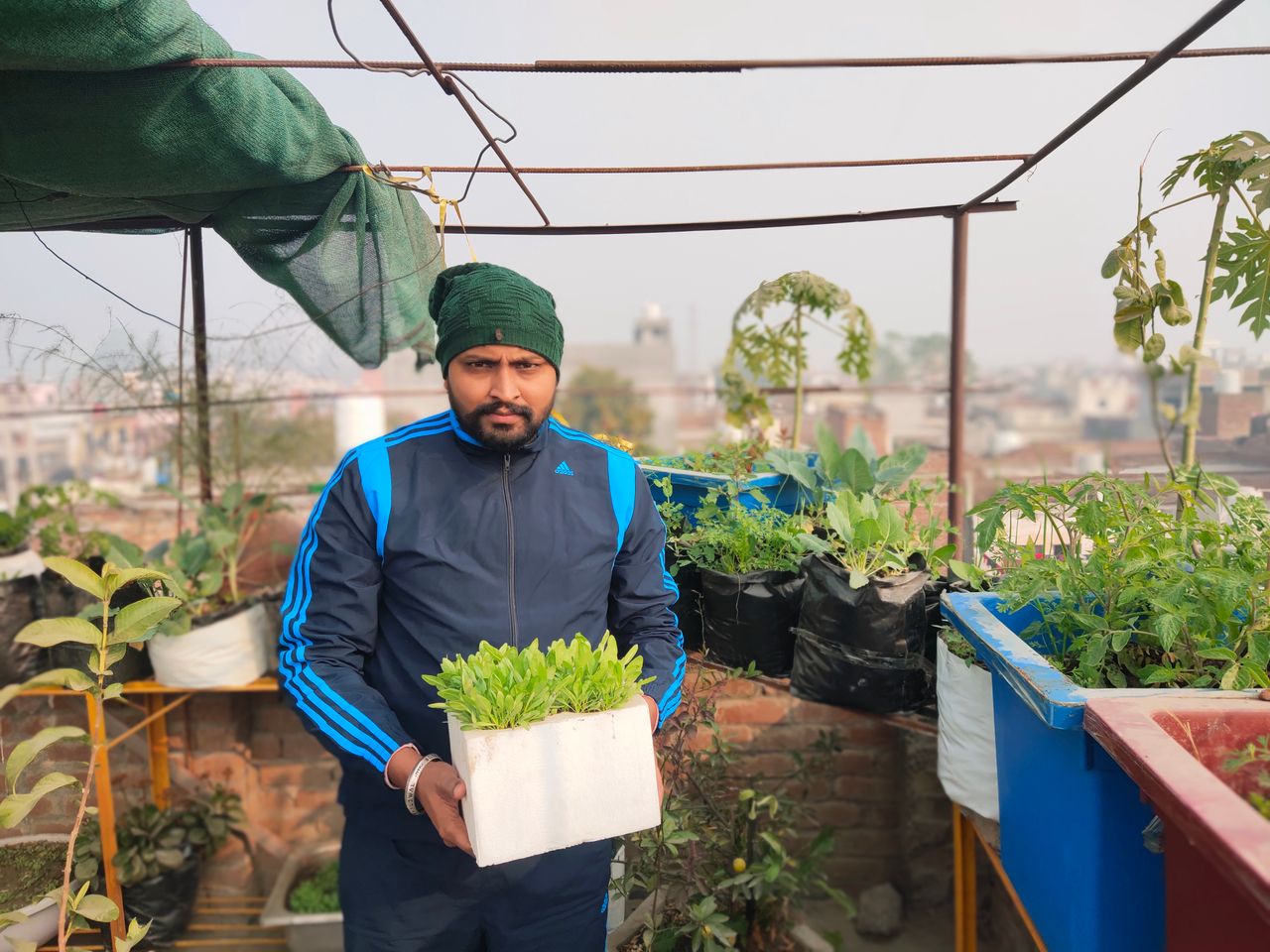
Is Terrace Gardening a Sustainable Lifestyle Choice?
Terrace gardening is increasingly being recognized as more than just a hobby, with many urban residents adopting it as part of a sustainable lifestyle. As cities become more crowded and access to green spaces becomes limited, individuals are turning to terrace gardens to grow plants, vegetables, and herbs at home.
Health and lifestyle experts note that terrace gardening not
only supports eco-friendly living but also contributes to physical activity,
mental relaxation, and better awareness of food sources. This growing trend
reflects a shift toward more conscious and environmentally responsible
lifestyle choices.
Understanding Terrace Gardening
Terrace gardening refers to the practice of growing plants,
vegetables, fruits, or decorative greenery on rooftops, balconies, or open
terrace spaces.
It typically involves:
- Container
gardening
- Vertical
gardening systems
- Organic
soil usage
- Home
composting methods
- Water-efficient
planting techniques
Experts highlight that terrace gardening is adaptable and
can be practiced in both small and large urban spaces.
Why Terrace Gardening Is Becoming Popular
Limited Urban Green Spaces
With increasing urbanization, access to natural green
environments has reduced. Terrace gardening offers a practical solution for
introducing greenery into homes.
Rising Interest in Healthy Living
People are becoming more aware of where their food comes
from and are interested in growing organic vegetables at home.
Stress Relief and Mental Wellness
Gardening activities are often associated with relaxation
and mindfulness, helping individuals disconnect from daily stress.
Environmental Awareness
Growing plants at home contributes to better air quality and
promotes eco-friendly habits.
Benefits of Terrace Gardening as a Sustainable Lifestyle
Supports Eco-Friendly Living
Terrace gardening reduces dependence on store-bought produce
and encourages natural growing methods.
Encourages Organic Food Consumption
Many individuals grow pesticide-free vegetables and herbs,
promoting healthier eating habits.
Improves Mental Well-Being
Spending time with plants and gardening activities may help
reduce stress and improve emotional balance.
Promotes Physical Activity
Gardening involves light physical movement such as watering,
planting, and soil maintenance.
Reduces Environmental Impact
Home gardening can help reduce packaging waste and
transportation-related emissions from commercial food supply chains.
Challenges of Terrace Gardening
Space Limitations
Not all homes have large terrace areas, which may restrict
gardening possibilities.
Weather Conditions
Extreme heat, heavy rainfall, or seasonal changes can affect
plant growth.
Maintenance Requirements
Regular care, watering, and monitoring are needed to
maintain a healthy garden.
Initial Setup Effort
Setting up containers, soil systems, and irrigation may
require time and planning.
Expert Opinions and Insights
Gardening and wellness experts suggest that terrace
gardening can be a highly sustainable lifestyle choice when practiced
consistently and thoughtfully.
They emphasize that sustainability comes not only from
growing plants but also from:
- Using
organic materials
- Conserving
water
- Recycling
waste into compost
- Choosing
native and climate-friendly plants
Experts also note that even small-scale gardening can have
meaningful environmental and psychological benefits.
Practical Tips for Beginners
- Start
with easy-to-grow plants like herbs or leafy vegetables
- Use
lightweight containers suitable for terraces
- Ensure
proper drainage to avoid water accumulation
- Water
plants during cooler parts of the day
- Use
organic compost for better soil health
- Choose
plants based on local climate conditions
Future Trends in Urban Gardening
Terrace gardening is expected to grow further as part of
broader sustainable living movements.
Emerging trends include:
- Smart
irrigation systems
- Vertical
farming at home
- Organic
urban farming communities
- Eco-friendly
gardening kits
- Digital
gardening guides and apps
Experts believe urban gardening will become an important
part of future lifestyle habits as people seek greener and healthier living
environments.
Conclusion
Terrace gardening is increasingly being viewed as a
sustainable lifestyle choice, especially in urban environments where green
spaces are limited. It offers multiple benefits, including access to fresh
produce, improved mental well-being, and a stronger connection to nature.
While it requires effort and consistency, terrace gardening
can contribute meaningfully to eco-friendly living and healthier lifestyle
habits. As awareness of sustainability continues to grow, this practice is
likely to become an even more important part of modern urban life.