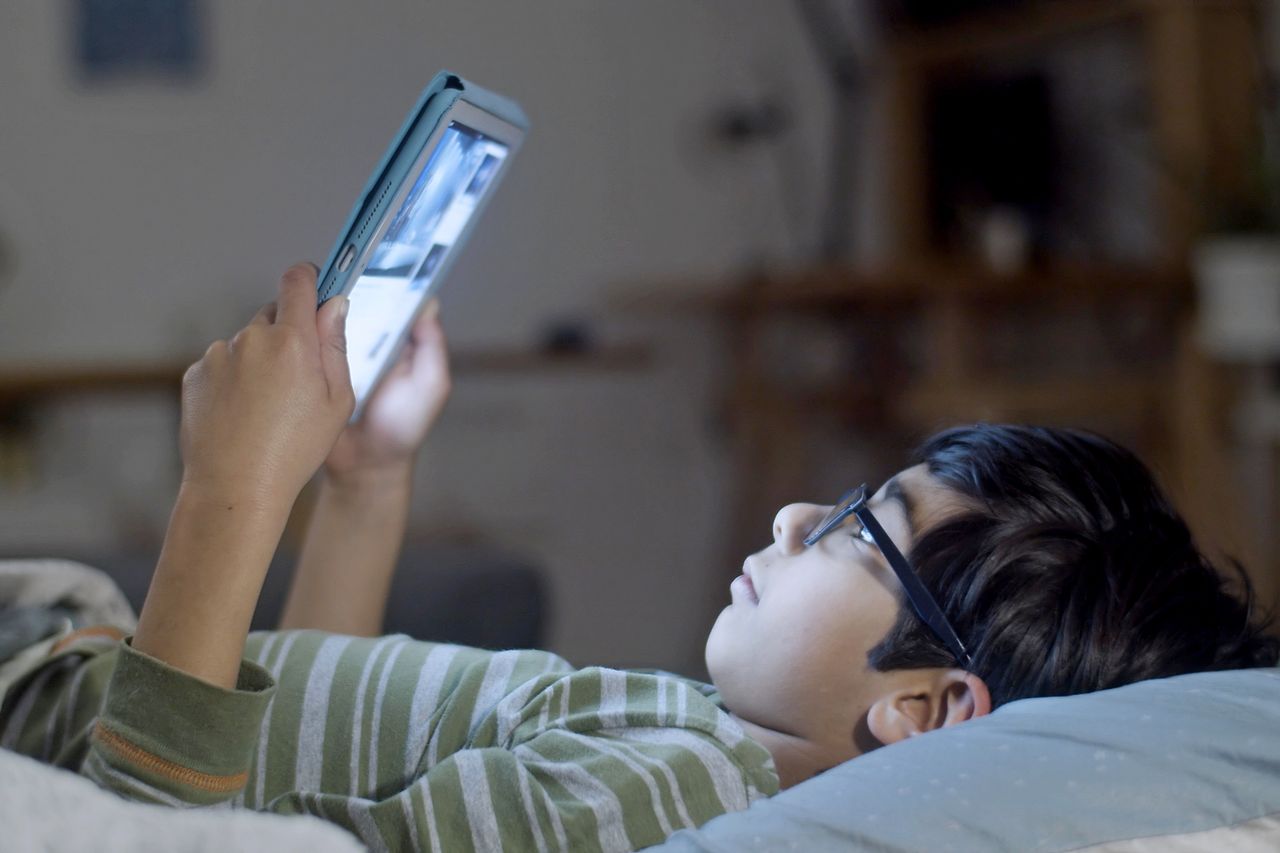
Excessive Screen Time Raising Eye Health Concerns: Experts Encourage Healthier Digital Habits
Excessive screen time is becoming a growing concern among
eye care professionals as digital devices play an increasingly central role in
daily life. From smartphones and tablets to computers and televisions,
prolonged screen exposure has become common across all age groups.
Eye care specialists caution that extended periods of screen
use may contribute to digital eye strain, headaches, blurred vision, and sleep
disruption. As work, education, entertainment, and social interactions continue
to rely heavily on digital technology, healthcare experts are encouraging
individuals to adopt healthier screen habits to protect their eye health.
The growing awareness surrounding digital wellness is
prompting more discussions about the importance of balancing technology use
with healthy lifestyle practices.
Understanding Digital Eye Strain
Digital eye strain, sometimes referred to as computer vision
syndrome, describes a group of eye and vision-related symptoms associated with
prolonged use of digital devices.
Common symptoms may include:
- Eye
fatigue
- Dry
eyes
- Blurred
vision
- Headaches
- Neck
and shoulder discomfort
- Difficulty
focusing
Experts explain that staring at screens for extended periods
often reduces blinking frequency, which can contribute to eye discomfort and
dryness.
Why Screen Time Is Increasing
Growth of Remote Work
Many professionals now spend significant portions of their
workday in front of computers and digital devices.
Virtual meetings, online collaboration tools, and digital
communication have increased daily screen exposure.
Expansion of Digital Entertainment
Streaming services, social media platforms, gaming, and
online content continue to contribute to extended recreational screen time.
Increased Educational Technology Use
Students are increasingly using digital tools for learning,
assignments, and educational resources.
Constant Connectivity
Smartphones allow people to remain connected throughout the
day, often resulting in continuous screen interaction.
How Excessive Screen Time Affects Eye Health
Digital Eye Strain
One of the most common concerns associated with prolonged
screen use is eye fatigue.
Individuals may experience discomfort after extended periods
of focusing on screens without adequate breaks.
Dry Eyes
Experts note that people tend to blink less frequently while
looking at digital devices.
Reduced blinking can contribute to eye dryness and
irritation.
Blurred Vision
Extended visual focus at a fixed distance may temporarily
affect visual comfort and clarity.
Headaches
Eye strain and prolonged concentration on screens may
contribute to headaches in some individuals.
Neck and Shoulder Tension
Poor posture during device use can place additional strain
on muscles and joints, leading to physical discomfort.
The Connection Between Screen Time and Sleep
Evening Device Use
Many individuals use smartphones, tablets, or computers
shortly before bedtime.
Experts suggest that excessive screen exposure late in the
evening may interfere with healthy sleep habits.
Disrupted Sleep Routines
Late-night device use can sometimes delay bedtime and reduce
overall sleep duration.
Impact on Recovery and Well-Being
Quality sleep plays a critical role in physical health,
mental wellness, concentration, and daily functioning.
Maintaining healthy sleep routines is considered an
important component of digital wellness.
Key Benefits of Managing Screen Time
Supports Eye Comfort
Reducing prolonged screen exposure may help minimize
symptoms associated with digital eye strain.
Promotes Better Sleep Habits
Limiting screen use before bedtime can support healthier
sleep routines.
Improves Focus and Productivity
Regular breaks from screens may help maintain concentration
and reduce mental fatigue.
Encourages Physical Activity
Less time spent on devices can create opportunities for
movement and outdoor activities.
Supports Overall Wellness
Balanced technology use contributes to healthier lifestyle
habits and improved well-being.
Expert Opinions and Insights
Eye care specialists emphasize that digital devices are an
important part of modern life, but moderation and healthy usage habits are
essential.
Experts commonly recommend:
- Taking
regular visual breaks
- Maintaining
proper viewing distances
- Adjusting
screen brightness appropriately
- Practicing
good posture
- Staying
hydrated
- Getting
adequate sleep
Many professionals also encourage individuals to monitor
their daily screen habits and make adjustments when necessary.
Common Challenges and Concerns
Work and Academic Demands
Many people cannot easily reduce screen time because of
professional or educational requirements.
Experts recommend focusing on healthy usage habits rather
than complete avoidance.
Frequent Device Checking
Smartphones often encourage continuous engagement through
notifications and digital communication.
Limited Awareness
Some individuals may not recognize the connection between
screen habits and symptoms such as headaches, eye fatigue, or sleep
difficulties.
Difficulty Disconnecting
Digital devices provide convenience and entertainment,
making it challenging to establish healthy boundaries.
Practical Tips for Readers
Follow the 20-20-20 Rule
Many eye care professionals recommend looking at something
approximately 20 feet away for 20 seconds every 20 minutes.
Take Regular Breaks
Short breaks throughout the day can help reduce visual
fatigue.
Adjust Screen Settings
Ensure appropriate brightness, contrast, and text size for
comfortable viewing.
Blink More Frequently
Conscious blinking may help maintain eye moisture and
comfort.
Maintain Proper Viewing Distance
Position screens at a comfortable distance and angle to
reduce strain.
Limit Screen Time Before Bed
Reducing device use during the hour before sleep may support
healthier sleep routines.
Prioritize Outdoor Activities
Spending time outdoors provides opportunities to rest the
eyes and engage in physical activity.
Future Trends in Digital Eye Health
Growing Public Awareness
Digital wellness and eye health education are expected to
become increasingly important.
Increased Workplace Wellness Initiatives
Employers may continue promoting healthy screen habits and
ergonomic work environments.
Advancements in Screen Technology
Technology developers are exploring features designed to
improve visual comfort during prolonged device use.
Expansion of Digital Wellness Programs
Health organizations are increasingly incorporating
screen-time management into broader wellness initiatives.
Conclusion
Excessive screen time is raising eye health concerns as
digital devices become an essential part of modern life. Eye care specialists
continue to highlight the importance of managing screen exposure to reduce the
risk of digital eye strain, headaches, and sleep disruption.
While technology offers many benefits, maintaining healthy
screen habits is essential for protecting vision and supporting overall
well-being. Simple strategies such as taking regular breaks, following the
20-20-20 rule, limiting nighttime screen use, and practicing good posture can
help reduce the impact of prolonged device use.
As awareness of digital wellness continues to grow, adopting
balanced technology habits may play an increasingly important role in
maintaining eye health and supporting a healthier lifestyle.