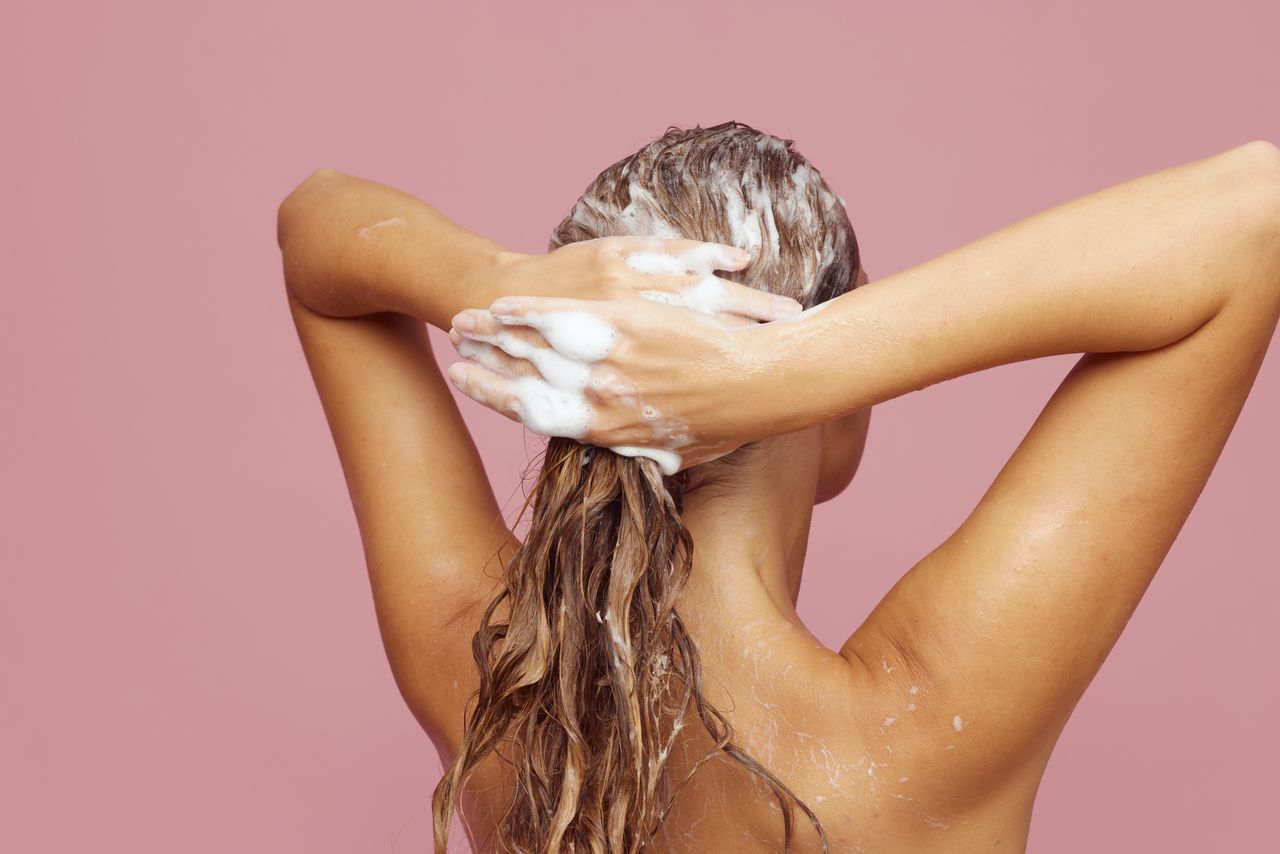
Could Hair Care Be an Important Part of Mental Self-Care?
Hair care is increasingly being discussed as more than just
a cosmetic routine, with wellness experts and lifestyle professionals linking
it to broader self-care and mental well-being practices. In today’s fast-paced
lifestyle, individuals are seeking simple, calming routines that help reduce
stress and improve emotional balance.
Among these routines, hair care activities such as oiling,
washing, scalp massage, and grooming are being viewed as small but meaningful
forms of self-care. Experts suggest that such routines may offer relaxation,
improve confidence, and contribute to a sense of personal well-being.
Understanding the Connection Between Hair Care and
Self-Care
Self-care refers to intentional actions that support
physical, emotional, and mental health. Hair care, when practiced mindfully,
can become part of this routine by offering moments of calm and personal
attention.
Simple hair care practices may include:
- Scalp
massage
- Hair
washing routines
- Oil
treatments
- Gentle
grooming
- Regular
trimming and maintenance
Experts note that these routines can create a sense of
structure and relaxation in daily life.
Why Hair Care Is Being Linked to Mental Self-Care
Stress Relief Through Routine
Repetitive and gentle hair care practices, such as combing
or oiling, may help individuals relax and reduce daily stress.
Time for Personal Attention
In busy schedules, dedicating time to hair care allows
individuals to focus on themselves, which may support emotional balance.
Boost in Confidence
Well-maintained hair often contributes to improved
self-image and confidence, which can positively influence mental well-being.
Mindful Living Practices
Hair care routines are increasingly being seen as part of
mindfulness-based self-care habits that encourage slowing down and being
present.
Benefits of Including Hair Care in Self-Care Routines
May Help Improve Relaxation
Scalp massage and gentle grooming routines are often
associated with relaxation and reduced tension.
Supports Emotional Well-Being
Taking time for personal care can help individuals feel more
in control and emotionally balanced.
Encourages Consistency in Self-Care
Hair care routines are often simple and easy to maintain,
making them a practical part of daily wellness habits.
Enhances Personal Grooming Habits
Regular hair care contributes to overall grooming, which may
positively influence self-esteem.
Expert Opinions and Insights
Wellness professionals emphasize that self-care does not
always require complex or time-consuming activities. Instead, small daily
habits can have a meaningful impact on emotional health.
Experts suggest that hair care becomes a form of self-care
when it is:
- Done
with awareness
- Not
rushed
- Part
of a relaxing routine
- Focused
on personal well-being rather than appearance alone
They also highlight that emotional benefits often come from
the process of self-care rather than the outcome.
Common Misconceptions
Hair Care Is Only About Appearance
Experts clarify that hair care can also support relaxation
and emotional wellness when practiced mindfully.
Self-Care Requires Expensive Treatments
Simple routines like oiling or gentle washing can also
contribute to self-care without high costs.
Only Spa Treatments Count as Self-Care
Everyday habits, including home hair care routines, can also
be part of self-care practices.
Practical Tips for Readers
Individuals looking to connect hair care with self-care may
consider:
- Taking
time for slow and mindful hair washing routines
- Practicing
gentle scalp massage during oiling
- Avoiding
rushed grooming habits
- Using
hair care time as a break from digital devices
- Creating
a calming environment during hair care routines
- Maintaining
consistency rather than complexity
Future Wellness Trends
Self-care practices are expected to become more
personalized, with greater emphasis on simple daily habits. Hair care is likely
to remain part of this trend as individuals focus on routines that support both
physical appearance and emotional well-being.
Experts also suggest that holistic wellness approaches will
continue to integrate grooming, skincare, and mental wellness into unified
self-care systems.
Conclusion
Hair care is increasingly being recognized as more than a
cosmetic necessity, with growing attention on its potential role in mental
self-care. Simple routines such as scalp massage, gentle washing, and mindful
grooming may help individuals relax, improve confidence, and support emotional
well-being.
While it may not replace broader mental health practices,
hair care can be a valuable addition to a balanced self-care routine. As
awareness of holistic wellness continues to grow, everyday habits like hair
care are becoming meaningful tools for supporting both inner and outer
well-being.