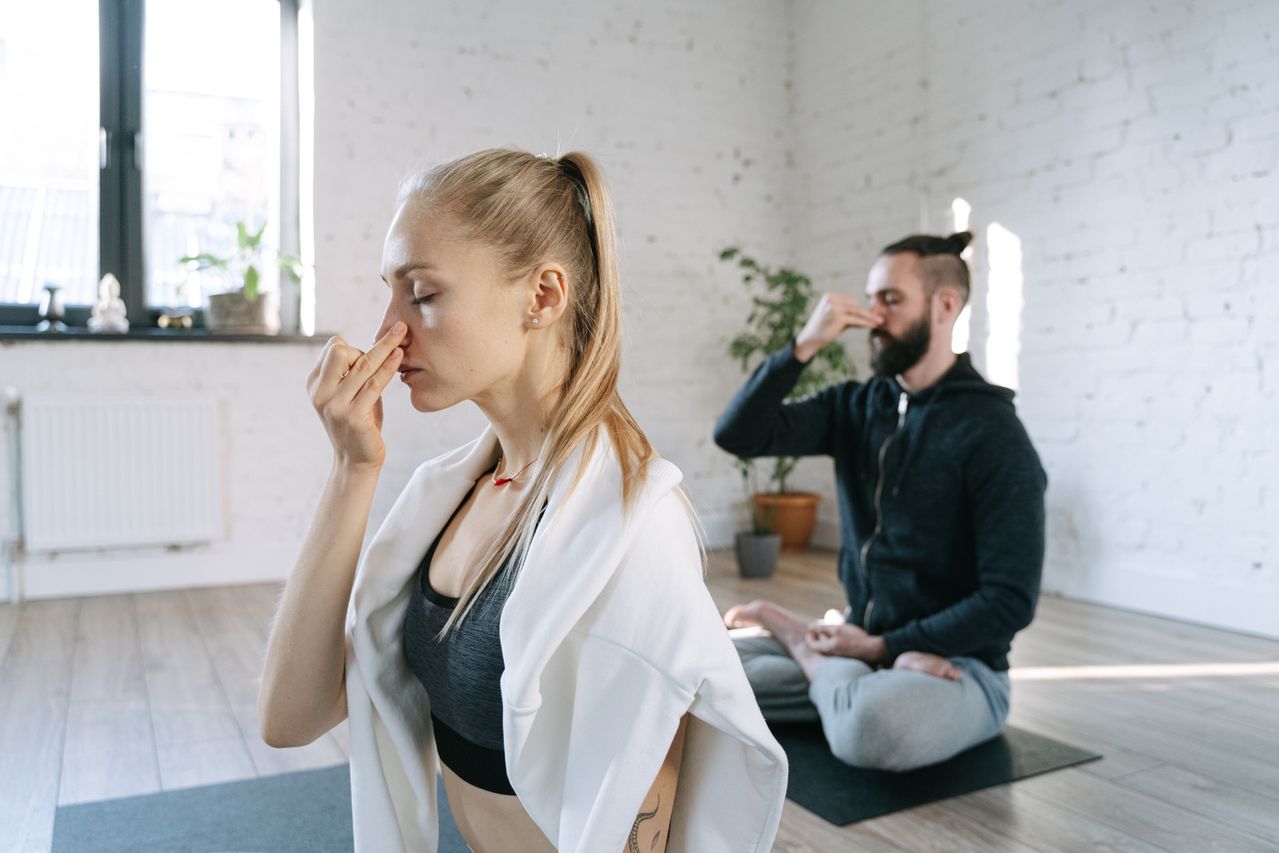
Breathing Exercises May Help Reduce Daily Stress: Why Simple Techniques Are Becoming Popular for Wellness
As modern lifestyles become increasingly busy and demanding,
many people are seeking simple and effective ways to manage stress and support
emotional well-being. Among the growing number of wellness practices gaining
attention, breathing exercises have emerged as one of the most accessible and
widely recommended techniques.
Healthcare professionals note that controlled breathing
practices can help calm the nervous system, promote relaxation, and encourage
greater awareness of the present moment. Because these exercises require no
special equipment and can be performed almost anywhere, they are becoming a
popular addition to daily wellness routines.
From workplaces and schools to fitness programs and
healthcare settings, breathing exercises are increasingly being recognized as
practical tools for supporting mental and emotional wellness.
Understanding Breathing Exercises
Breathing exercises involve intentionally controlling the
rhythm, depth, and pace of breathing to influence physical and mental
responses.
While breathing is normally an automatic process, mindful
breathing techniques encourage individuals to focus on their breath and
regulate it in specific ways.
Common breathing techniques include:
- Deep
breathing
- Diaphragmatic
breathing
- Box
breathing
- Alternate
nostril breathing
- Mindful
breathing
- Slow-paced
breathing
Experts explain that these practices may help activate
relaxation responses within the body and reduce feelings of tension.
Why Breathing Exercises Are Becoming More Popular
Rising Stress Levels
Daily responsibilities, work demands, financial pressures,
and constant digital connectivity can contribute to elevated stress levels.
Many individuals are seeking practical methods to manage
these challenges without disrupting their schedules.
Breathing exercises offer a convenient option that can be
practiced almost anywhere.
Growing Mental Health Awareness
As awareness of mental wellness continues to increase,
people are exploring preventive approaches that support emotional resilience
and stress management.
Breathing techniques are frequently recommended as part of
broader mental wellness strategies.
Accessibility and Convenience
Unlike some wellness activities that require equipment,
memberships, or specialized training, breathing exercises can be performed:
- At
home
- At
work
- During
travel
- Before
sleep
- During
breaks
This accessibility has contributed significantly to their
popularity.
Integration Into Wellness Programs
Many wellness initiatives now include breathing practices
alongside mindfulness, exercise, and stress-management programs.
Healthcare professionals often recommend breathing exercises
as a complementary wellness tool.
How Breathing Exercises May Support Stress Reduction
Calming the Nervous System
Experts explain that slow, controlled breathing may help
activate the body's relaxation response.
This process can encourage a greater sense of calm and help
counter feelings of stress or tension.
Encouraging Present-Moment Awareness
Focusing on breathing can redirect attention away from
worries and distractions.
This mindful awareness may help individuals feel more
centered and emotionally balanced.
Supporting Emotional Regulation
Breathing exercises can create opportunities to pause and
respond thoughtfully during stressful situations.
Many people use breathing techniques as part of healthy
coping strategies for managing everyday challenges.
Promoting Physical Relaxation
Deep breathing may help release physical tension that
accumulates during stressful periods.
Healthcare professionals note that relaxation often involves
both mental and physical components.
Key Benefits of Breathing Exercises
Helps Manage Everyday Stress
One of the most widely recognized benefits of breathing
exercises is their potential to support stress management.
Regular practice may help individuals:
- Feel
calmer
- Improve
emotional balance
- Reduce
feelings of overwhelm
- Cope
more effectively with daily pressures
Supports Mental Well-Being
Mindful breathing is frequently incorporated into mental
wellness routines because of its potential benefits for emotional health.
Many individuals report improved self-awareness and greater
emotional resilience through consistent practice.
May Improve Focus and Concentration
Breathing exercises encourage attention and mindfulness,
which may help improve mental clarity and concentration.
Students, professionals, and individuals with busy schedules
often use breathing techniques to enhance focus.
Supports Relaxation Before Sleep
Many people practice breathing exercises in the evening as
part of healthy sleep routines.
Relaxation techniques may help prepare the mind and body for
rest.
Complements Other Wellness Practices
Breathing exercises can be easily combined with:
- Meditation
- Yoga
- Physical
activity
- Mindfulness
practices
- Stress-management
programs
This flexibility makes them a valuable addition to
comprehensive wellness plans.
Expert Opinions and Insights
Healthcare professionals generally view breathing exercises
as safe, simple, and accessible wellness practices for most individuals.
Experts emphasize that breathing techniques should be
practiced consistently to develop familiarity and effectiveness.
Many mental health specialists recommend incorporating short
breathing sessions throughout the day rather than waiting until stress levels
become overwhelming.
Wellness professionals also encourage individuals to
experiment with different techniques to determine which approaches feel most
comfortable and effective.
Common Challenges and Misconceptions
Expecting Immediate Results
Some individuals expect breathing exercises to eliminate
stress instantly.
Experts explain that while breathing techniques may promote
relaxation, they work best when practiced regularly as part of a broader
wellness routine.
Difficulty Maintaining Consistency
Like any healthy habit, breathing exercises require practice
and consistency.
Starting with just a few minutes each day can help establish
a sustainable routine.
Distractions During Practice
Many beginners find it challenging to maintain focus while
practicing breathing exercises.
Experts note that occasional distractions are normal and
become easier to manage with continued practice.
Belief That Techniques Are Complicated
Some people assume breathing exercises are difficult to
learn.
In reality, many techniques are simple and can be performed
within minutes.
Practical Tips for Readers
Start With Deep Breathing
Slow, deep breaths can be an effective introduction to
breathing exercises.
Practice for a Few Minutes Daily
Even short sessions can help build consistency and
familiarity.
Use Breathing Breaks During Stressful Moments
Taking a brief pause to focus on breathing may help create a
sense of calm during challenging situations.
Combine Breathing With Mindfulness
Paying attention to physical sensations and surroundings can
enhance the benefits of breathing exercises.
Create a Regular Routine
Practicing at the same time each day may help establish a
lasting habit.
Future Trends in Breathing and Wellness
Increased Integration Into Workplace Wellness
Organizations are increasingly incorporating breathing
techniques into employee wellness programs.
Growth of Digital Wellness Tools
Mobile applications and guided breathing platforms are
making these practices more accessible.
Expansion of Mindfulness Education
Schools, healthcare institutions, and community programs are
introducing breathing exercises as part of broader wellness initiatives.
Greater Focus on Preventive Mental Health
As awareness of emotional well-being grows, breathing
techniques are expected to remain a popular preventive wellness strategy.
Conclusion
Breathing exercises may help reduce daily stress by
promoting relaxation, encouraging mindfulness, and supporting emotional
well-being. Healthcare professionals continue to recommend these simple
techniques as practical tools for managing the pressures of modern life.
Because breathing exercises are accessible, inexpensive, and
easy to incorporate into daily routines, they have become increasingly popular
among individuals seeking healthier ways to support mental wellness. Whether
practiced for a few minutes during a busy workday or as part of a larger
self-care routine, mindful breathing can contribute to a greater sense of calm
and balance.
As interest in preventive wellness continues to grow,
breathing exercises are likely to remain an important component of modern
stress-management and wellness practices. By dedicating a small amount of time
each day to mindful breathing, individuals can take meaningful steps toward
supporting their overall health and well-being.